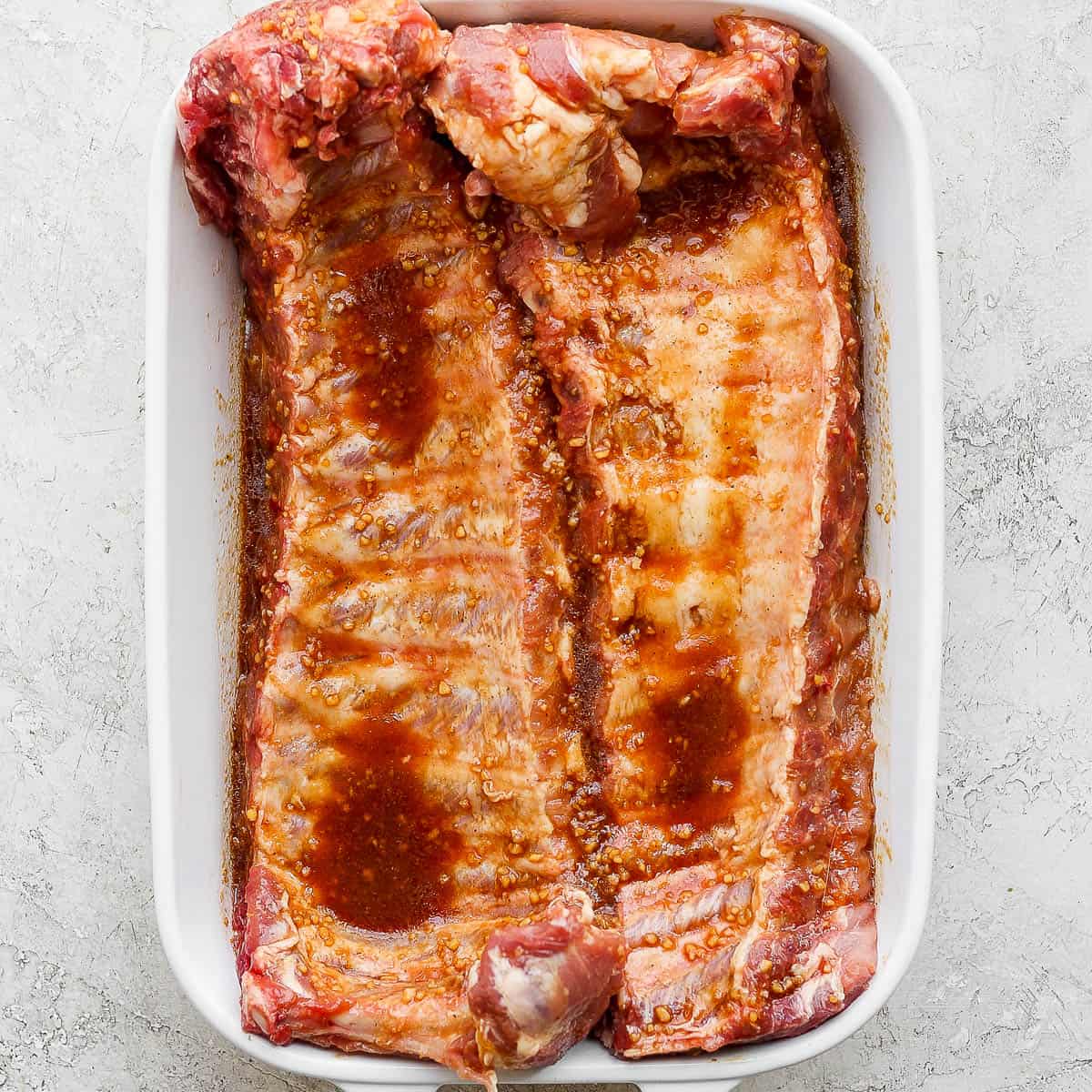
Pork vs. Prime Rib Marinade: Optimize for Maximum Flavor & Tenderness
Achieving melt-in-your-mouth tenderness and an explosion of flavor is the ultimate goal for any rib enthusiast. Whether you're planning a casual backyard barbecue with succulent pork ribs or an elegant holiday feast featuring a majestic prime rib, the secret to culinary success often lies in the marinade. But here's the crucial insight: a one-size-fits-all rib marinade recipe simply won't cut it. Different cuts of meat, with their unique textures and fat content, demand tailored approaches to unlock their full potential. This comprehensive guide will delve into the distinct art of marinating pork ribs versus prime rib, helping you optimize for unparalleled flavor and tenderness every time.The Science Behind the Soak: How Marinades Transform Meat
Before we dive into specific recipes, let's understand the fundamental role of a marinade. At its core, a marinade is a liquid blend designed to infuse meat with flavor, contribute to tenderness, and often help retain moisture during cooking. It typically comprises three key components:- Acids: Ingredients like vinegar, citrus juices, or wine help to break down tough muscle fibers and connective tissues, leading to a more tender chew. However, too much acid or prolonged exposure can turn meat mushy, especially with leaner cuts.
- Oils: Olive oil, vegetable oil, or other fats encapsulate the meat, preventing it from drying out while also carrying fat-soluble flavors deeper into the muscle. They create a protective barrier that promotes even cooking.
- Aromatics & Seasonings: This is where the magic happens – herbs (rosemary, thyme, bay), spices (paprika, cumin), alliums (garlic, onion), and sweet or savory elements (brown sugar, soy sauce) provide the distinctive flavor profile. Some liquids, like vodka or dry white wine, can act as excellent flavor carriers, helping to penetrate the meat more effectively.
Crafting the Ultimate Prime Rib Marinade: A Guide to Elegance and Depth
Prime rib, also known as a standing rib roast or ribeye roast, is a premium cut renowned for its rich marbling and inherent tenderness. Given its expense and typical role as a showstopper for special occasions, the goal of a prime rib marinade isn't primarily to tenderize, but rather to *enhance* its already magnificent natural flavor without overpowering it. The focus shifts to deep, nuanced infusion and ensuring juicy perfection.Prime Rib Marinade Essentials:
A truly exceptional prime rib marinade often leans into subtle yet potent aromatics and ingredients that penetrate deeply.- Flavor Carriers: Elements like vodka, dry white wine, or even white wine vinegar are excellent for carrying flavors deep into the thick roast. If you prefer to avoid alcohol, a mix of apple juice with a touch of white vinegar can replicate some of this effect.
- Robust Herbs: Fresh bay leaves, sage, and thyme are classic companions to beef, offering an earthy, aromatic depth that complements the meat's richness. If fresh isn't available, remember that dried herbs are more concentrated – use about half the amount.
- Savory Backbone: Coarse or kosher salt (reducing by half if using table salt), freshly cracked black pepper, and minced garlic form the essential savory base.
- Oils: A good quality olive oil or a neutral oil helps distribute the flavors and keeps the surface moist.
The Critical Timing for Prime Rib:
This is where prime rib significantly diverges from pork ribs. Due to its size and density, prime rib benefits from a longer marination period to allow flavors to fully penetrate. Aim for a minimum of 12 hours, extending up to 24 hours for the most profound flavor infusion. Ensure the roast is covered tightly with plastic wrap or in a sealed container in the refrigerator, turning it occasionally to guarantee even distribution of the flavorful liquid. A well-marinated prime rib can even be stored raw in the fridge for up to three days before cooking, with the marinade contributing to its preservation.Mastering the Pork Rib Marinade: Flavor, Tenderness, and Timing
Pork ribs – whether baby back, St. Louis style, or spare ribs – are beloved for their versatility and robust flavor. While a simple dry rub is a popular choice, marinating pork ribs is a fantastic method for producing incredibly moist, tender, and flavor-packed results, suitable for grilling, smoking, oven-baking, or even air-frying. The goal here is a balance of tenderizing the meat and imparting bold, delicious flavors. If you're eager to dive deeper into crafting the perfect marinade specifically for pork, our article Foolproof Pork Rib Marinade: Unlock Juicy Ribs & Max Flavor offers even more dedicated tips and a winning 'rib marinade recipe.'Pork Rib Marinade Essentials:
Pork ribs thrive with a marinade that offers a dynamic blend of tang, sweetness, and savory notes, specifically designed to penetrate and tenderize.- Tenderizing Acids: Citrus juices (lemon, lime, orange), vinegars (apple cider, white wine, rice wine), or even fruit juices (pineapple, mango) with their natural enzymes are excellent for breaking down the pork's connective tissues and adding brightness.
- Savory Depth: Soy sauce, Worcestershire sauce, minced garlic, grated ginger, and a touch of mustard (like Dijon or even yellow mustard) create a rich umami base.
- Sweetness & Balance: Brown sugar, honey, or maple syrup helps to balance the acidity, contribute to caramelization, and create that desirable sticky bark during cooking.
- Spice & Heat: Paprika, chili powder, cayenne pepper, or a dash of hot sauce can add warmth and complexity without necessarily making it spicy.
- Oils: A neutral oil like vegetable or canola oil is standard for pork rib marinades, ensuring even flavor distribution and moisture.
The Crucial Timing for Pork Ribs:
Unlike prime rib, pork ribs require a much shorter marination period. Over-marinating pork, especially with highly acidic ingredients, can lead to a mushy or mealy texture. The sweet spot for pork ribs is generally between 2 to 6 hours. This window allows the marinade to tenderize the meat and infuse it with flavor without compromising its integrity. A well-prepared pork rib marinade can be made up to four days in advance and stored in an airtight container in the fridge, ready to use for two full racks of ribs when you are.Key Differences & Expert Tips for Your Next Rib Feast
The contrasting approaches to marinating pork ribs and prime rib highlight a fundamental truth in cooking: understanding your ingredients is paramount.Here's a quick summary of the key differences:
- Meat Structure: Prime rib is an inherently tender, thick muscle with significant marbling, where the marinade enhances existing qualities. Pork ribs, particularly spareribs, have more connective tissue that benefits from a controlled acidic breakdown for tenderness.
- Marination Goal: For prime rib, it's about deep, elegant flavor infusion and maintaining juiciness. For pork ribs, it's about both significant tenderization and imparting bold, robust flavors.
- Timing: This is the most critical distinction. Prime rib demands a long soak (12-24 hours) for penetration, while pork ribs thrive on a shorter duration (2-6 hours) to prevent texture degradation.
Beyond these specifics, here are some universal expert tips for any rib marinade recipe:
- Always Refrigerate: Meat should always marinate in the refrigerator to prevent bacterial growth.
- Use Non-Reactive Containers: Opt for glass, ceramic, or food-grade plastic bags/containers, as acidic marinades can react with metal.
- Pat Dry Before Cooking: For prime rib, patting the surface very dry after marinating is crucial for achieving a beautiful, crisp crust. For ribs, drying helps develop a better bark.
- Never Reuse Marinade: Once meat has been in it, the marinade contains raw meat juices and should be discarded. If you want to use some as a sauce, boil it vigorously for several minutes to ensure it's safe.
- Balance is Key: Don't let one flavor dominate. Strive for a harmonious blend of acidic, sweet, savory, and aromatic notes.
