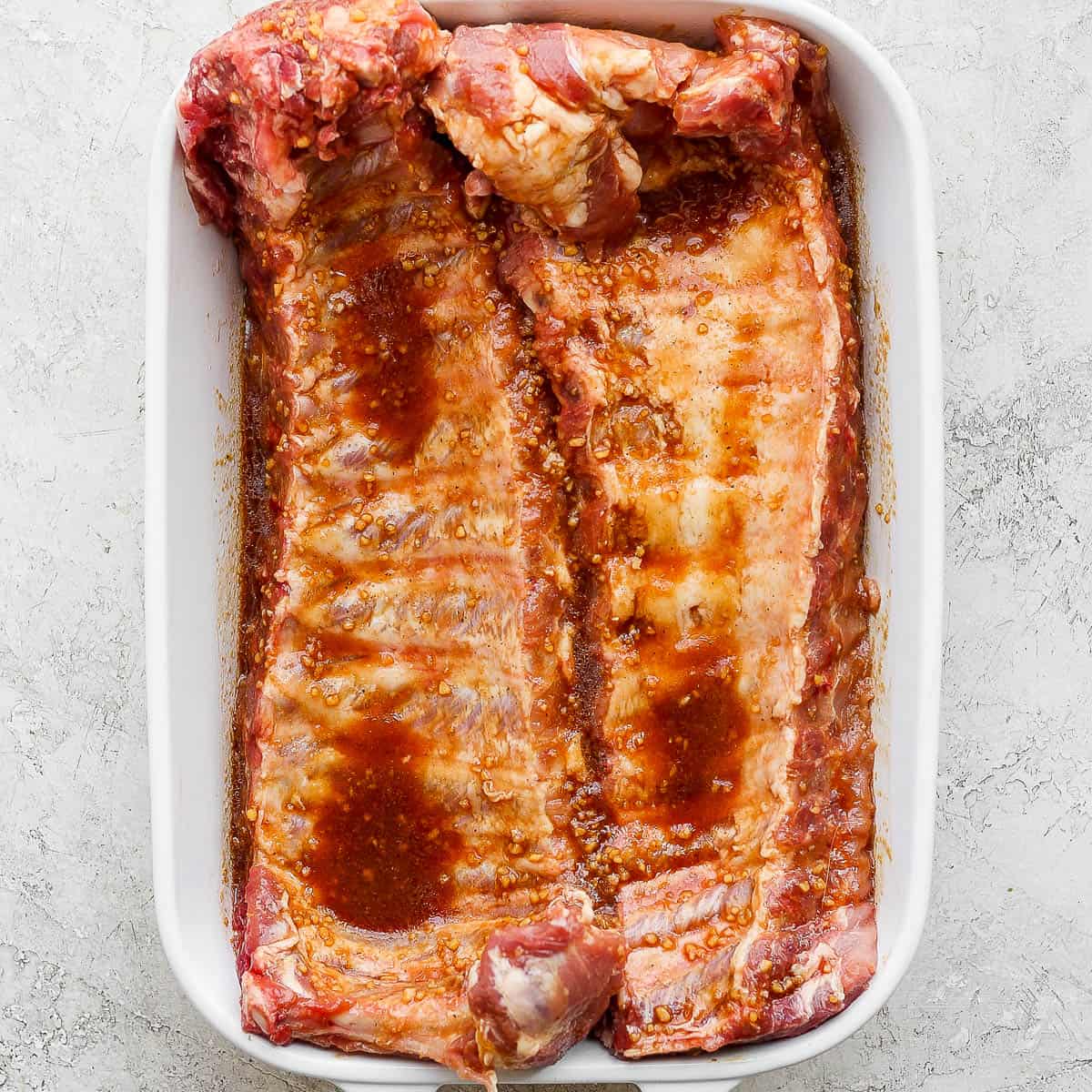
Foolproof Pork Rib Marinade: Unlock Juicy Ribs & Max Flavor
Achieving truly juicy, tender, and flavor-packed pork ribs often feels like a culinary mystery. Many home cooks rely solely on dry rubs, which are fantastic in their own right, but overlook the transformative power of a well-crafted *rib marinade recipe*. This article will guide you through creating a foolproof marinade that penetrates deep into the meat, ensuring every bite is bursting with savory goodness, whether you're grilling, smoking, baking, or air-frying. Say goodbye to dry, bland ribs and hello to a show-stopping dish that will make waves at your next cookout!Why a Marinade is Your Secret Weapon for Perfect Ribs
While dry rubs excel at creating a delicious crust and adding surface flavor, a marinade works differently, focusing on deep infusion and tenderization. It’s a method that’s happily making a comeback for good reason. A robust *rib marinade recipe* typically combines several key elements: * **Acids:** Ingredients like vinegar, citrus juices, or even certain fruit juices (e.g., apple juice) play a crucial role. They help to break down the tough muscle fibers in the ribs, resulting in meat that is incredibly tender and moist even after cooking. This chemical tenderization is distinct from what happens during slow cooking and provides a head start on succulence. * **Oils:** Olive oil, vegetable oil, or other cooking oils serve multiple purposes. They help distribute fat-soluble flavors throughout the meat, preventing the surface from drying out during cooking, and contributing to that desirable moist texture. * **Aromatics & Spices:** Garlic, onions, herbs like bay leaves, thyme, and sage, along along with various spices, infuse the ribs with complex, aromatic flavors that go beyond the surface. These are carried into the meat by both the oil and the moisture in the marinade. * **Salt:** Essential for seasoning, salt also aids in the tenderization process by helping the meat retain moisture. It’s a foundational flavor enhancer that draws out the natural deliciousness of the pork. Together, these components create a synergistic effect, enhancing the flavor, texture, and moisture content of your ribs in a way a dry rub alone cannot. It’s this multi-faceted approach that truly unlocks maximum flavor and ensures juicy results every time.Crafting the Ultimate Pork Rib Marinade Recipe
The beauty of a homemade *rib marinade recipe* lies in its versatility and the ability to customize it to your taste. While specific measurements are important, understanding the role of each ingredient allows for confident substitutions and personalized flair. Our foolproof marinade is designed to enhance, not overpower, the natural taste of quality pork ribs.Essential Ingredients & Their Roles:
- Acid Base: For pork ribs, lighter acids work wonderfully. Think white wine vinegar, apple cider vinegar, or a splash of lemon juice. If you enjoy a subtle alcohol note that helps carry flavors, dry white wine or even vodka can be used. For an alcohol-free alternative, a mix of apple juice with a tablespoon of white vinegar provides similar acidity and flavor-carrying benefits.
- Oil: A good quality olive oil or a neutral vegetable oil (like canola or grapeseed) acts as the flavor vehicle and moisture protector. It ensures the fat-soluble flavors are evenly distributed and helps keep the ribs from drying out.
- Aromatics: Fresh garlic (minced or crushed) and finely diced onion are non-negotiable for depth. For herbs, fresh bay leaves offer a distinctive, savory note. If fresh aren't available, remember that dried bay leaves are more concentrated; use about 6 dried leaves for every 1-2 fresh. A mix of fresh sage and thyme also makes a fantastic aromatic addition.
- Salt: Kosher salt is ideal due to its flakey texture, which dissolves well and seasons evenly. If using regular table salt, halve the amount as it's much more concentrated. Salt not only seasons but also helps the meat retain moisture.
- Sweetener (Optional but Recommended): A touch of brown sugar, honey, or maple syrup can perfectly balance the acidity, add a hint of caramelization, and contribute to that desirable sticky glaze as the ribs cook.
- Umami & Flavor Boosters: A dash of Worcestershire sauce, soy sauce, or even a spoonful of Dijon mustard can add complex umami notes that deepen the overall flavor profile.
Substitution Tips for Your Rib Marinade Recipe:
Don't have an ingredient on hand? No problem! Most marinade components are flexible:
- Herbs: Experiment with rosemary, oregano, or even a pinch of dried Italian seasoning if fresh herbs aren't available.
- Acid: White wine vinegar can be swapped for red wine vinegar, sherry vinegar, or even a fruit vinegar like raspberry for a different twist. Just ensure it's a food-grade vinegar.
- Sweetener: Granulated sugar can substitute for brown sugar, though you'll miss a bit of the molasses note. Agave nectar also works.
- Spices: Beyond the basics, consider a pinch of smoked paprika for depth, a touch of cayenne for heat, or cumin for an earthy undertone.
To master the art of combining these elements, our guide on Craft the Perfect Rib Marinade: Tender & Flavorful Every Time offers even more insights into ingredient synergy.
A Versatile Base for Any Pork Rib Cut
This particular *rib marinade recipe* is incredibly versatile. It’s perfectly suited for up to two full racks of baby back ribs or St. Louis cut ribs, but its adaptability doesn't stop there. You can confidently use this homemade marinade on pork spare ribs, pork roasts, and even thicker pork chops to imbue them with rich flavor and ensure tenderness. It’s truly a foundational recipe that will elevate any pork cut. Moreover, this marinade enhances ribs prepared by virtually any cooking method:- Smoked Ribs: The marinade provides a flavorful baseline that complements the smoky notes beautifully.
- Grilled Ribs: Expect incredible caramelization and a juicy interior.
- Oven-Baked Ribs: Tender, fall-off-the-bone results with deep flavor.
- Air-Fried Ribs: A crispy exterior and moist, marinated interior.
No matter your preferred cooking technique, this marinade ensures a superior outcome, transforming ordinary ribs into an extraordinary meal.
The Golden Rule of Marinating: Time is Flavor (But Don't Overdo It for Pork!)
Marinating is a game of patience, but for pork ribs, there's a critical sweet spot you don't want to miss. While some meats, like a prime rib, benefit from a longer marinade of 12-24 hours (or even more for very tough cuts), pork ribs are different. For optimal tenderization and flavor infusion without compromising texture, aim to marinate your pork ribs for a shorter period: typically **2 to 6 hours** in the refrigerator. Marinating pork ribs for too long (e.g., overnight or beyond 8 hours) can cause the acids to break down the meat too much, resulting in a mushy or mealy texture – something no one wants!Best Practices for Marinating Pork Ribs:
- Container Choice: Place your ribs and marinade in a large, non-reactive dish (glass, ceramic) or a sturdy, resealable plastic bag. Bags are great for ensuring maximum contact with the marinade and easy turning.
- Even Distribution: Ensure the ribs are fully coated. If using a dish, turn the ribs occasionally to guarantee even flavor penetration. If using a bag, simply massage the bag from time to time.
- Refrigeration is Key: Always marinate ribs in the refrigerator to prevent bacterial growth.
- Advanced Prep: You can prepare this marinade up to 4 days in advance and store it in an airtight container in the fridge, making your cook day even easier. Marinated, raw ribs can also safely remain in the refrigerator for up to 3 days after marinating, if kept well-wrapped. The marinade, particularly its acidic components, actually helps preserve the meat while infusing flavor.
For a deeper dive into optimizing marinades for different meats, check out Pork vs. Prime Rib Marinade: Optimize for Maximum Flavor & Tenderness.
